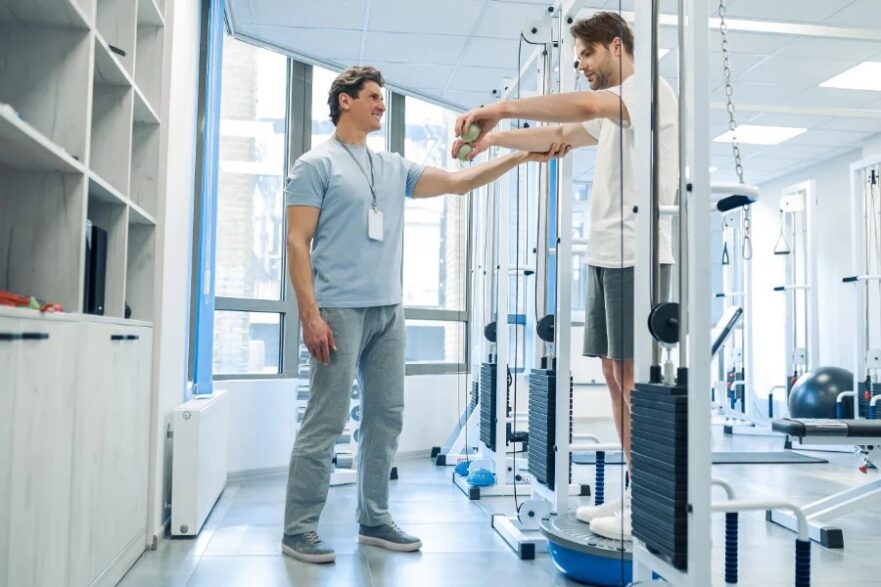
Most of us don’t think twice about opening a jar, brushing our teeth, or getting ready for the day—until something changes. An injury, a new diagnosis, or even a shift in routine can make everyday tasks feel different. That’s where occupational therapy can help. It supports people in staying independent, confident, and engaged in the activities that matter most. …
How to run faster: a physiotherapist’s guide to safer speed training
You want to run faster, but no matter how much work you’re putting in, your pace isn’t shifting. Maybe you’re struggling to keep up with your running group, or you’re not seeing the progress you expected on race day. Running faster starts with the right foundation. Physiotherapist Karen Tyssen, shares how to build speed in your runs with structured workouts, strength …
Share this Post
Frozen shoulder: signs, stages, causes, and how physiotherapy can help
Frozen shoulder, also called adhesive capsulitis, can make everyday shoulder movements painful and limited. Reaching behind your back, lifting your arm overhead, brushing your hair, fastening clothing, or sleeping on the affected side may become difficult over time. Frozen shoulder usually develops gradually. Many people don’t realize what they’re dealing with it until the pain and restricted movement have already …
Share this Post
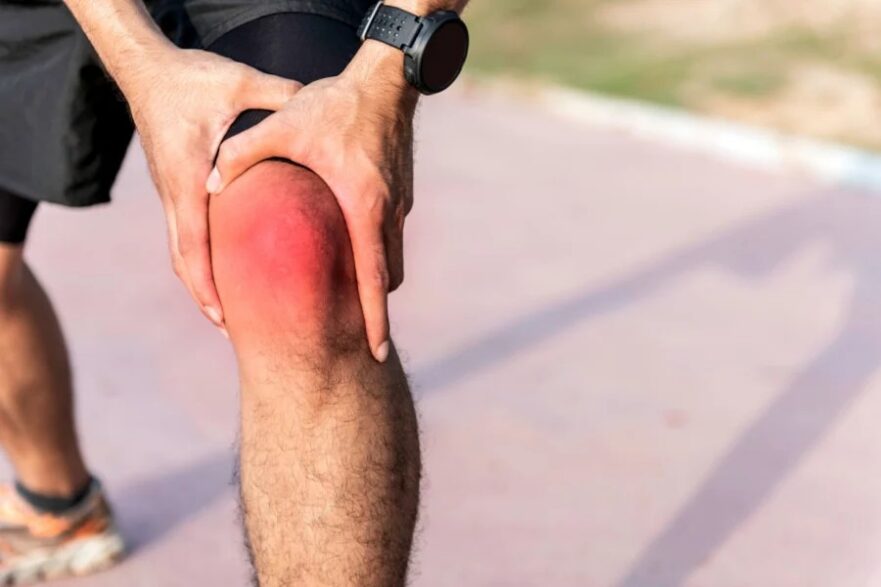
Why do my knees click? Causes, when it’s normal, and exercises that help
Whether you’re pushing your limits in sports or spending hours seated at a desk, your knees are fundamental to every move you make. Do you ever notice your knees clicking after a long run, or experience knee pain when bending after a day of sitting? In many cases, knee clicking and popping are normal and painless. But if the sounds …
Share this Post
Is strength training safe after 65? What seniors should know
A lot of people assume that feeling weaker is simply part of getting older. So when stairs feel harder, grocery bags feel heavier, or getting up from a chair takes more effort than it used to, it can be easy to brush those changes off as aging. But those everyday tasks rely on strength more than many people realize. For …
Share this Post
Carpal tunnel syndrome exercises: 6 physiotherapist-guided moves for hand numbness relief
Most people assume carpal tunnel syndrome (CTS) is nothing at first. A hand that fell asleep. A bad night’s rest. Then it keeps happening—numbness, tingling, or a weaker grip that starts to show up while typing, opening a jar, or holding a coffee mug. For some people, these symptoms may be linked to carpal tunnel syndrome. Exercises such as nerve …
Share this Post
Parkinson’s disease: how physiotherapy and exercise can help
Living with Parkinson’s disease can change how movement feels over time. Walking may take more focus. Balance may feel less steady. Everyday tasks that once felt automatic can start to require more effort. Support can make a meaningful difference. Physiotherapy and exercise can help people living with Parkinson’s disease maintain mobility, balance, strength, and day-to-day function, with care tailored to …
Share this Post
How to stay grounded and manage daily stress
Stress does not always arrive all at once. Sometimes it shows up through racing thoughts, tension in your body, or that feeling of being mentally pulled in too many directions. Learning how to stay grounded can help you feel calmer, more present, and better able to manage daily stress. Being grounded means feeling present, stable, and connected to yourself and …
Share this Post
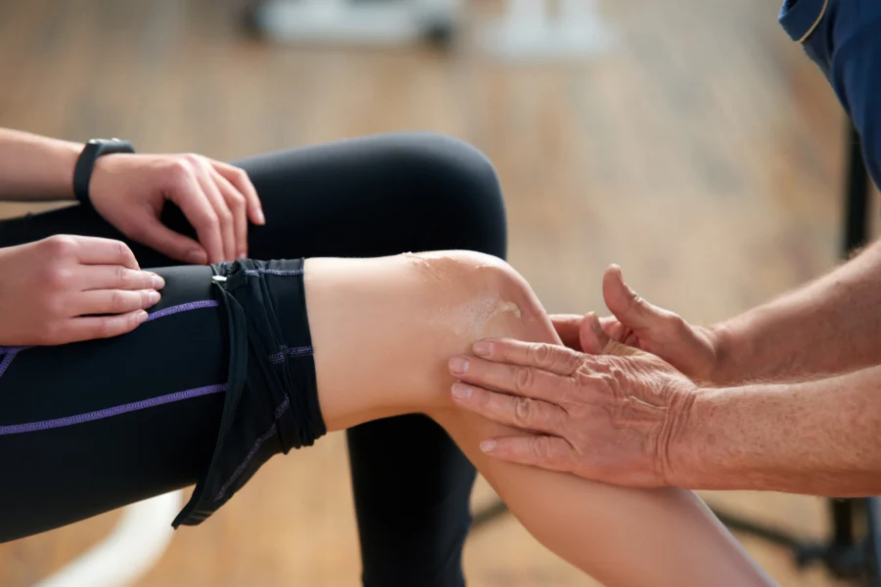
Why do my knees click? What’s normal and when to see a chiropractor
Have you ever noticed your knees making popping, clicking, or cracking sounds when you walk up the stairs, squat down, or even just stand up? You’re not alone. For many, these joint noises can sometimes cause concern. The good news is, most of the time, knee clicks and cracks are completely normal and nothing to be concerned about. However, when these sounds come with pain, swelling, or limited movement, it’s a signal to …
Share this Post