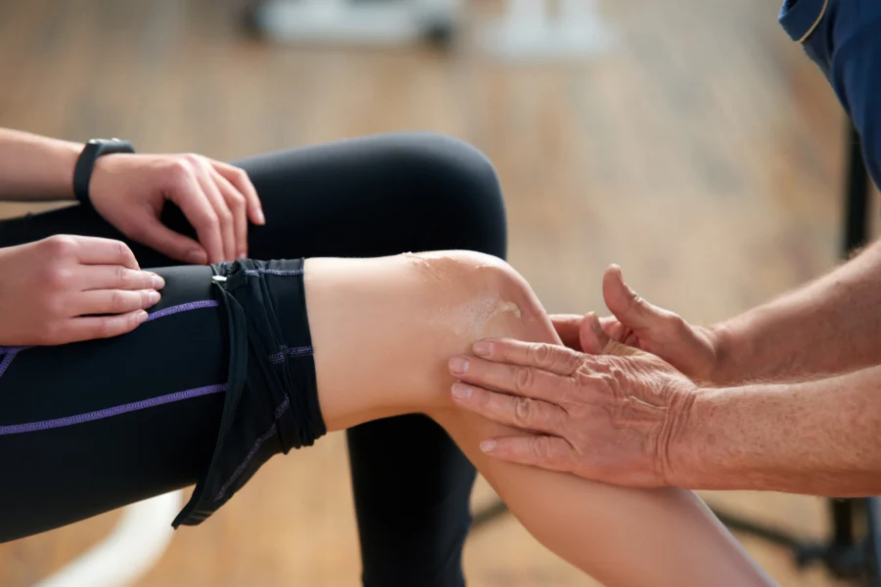
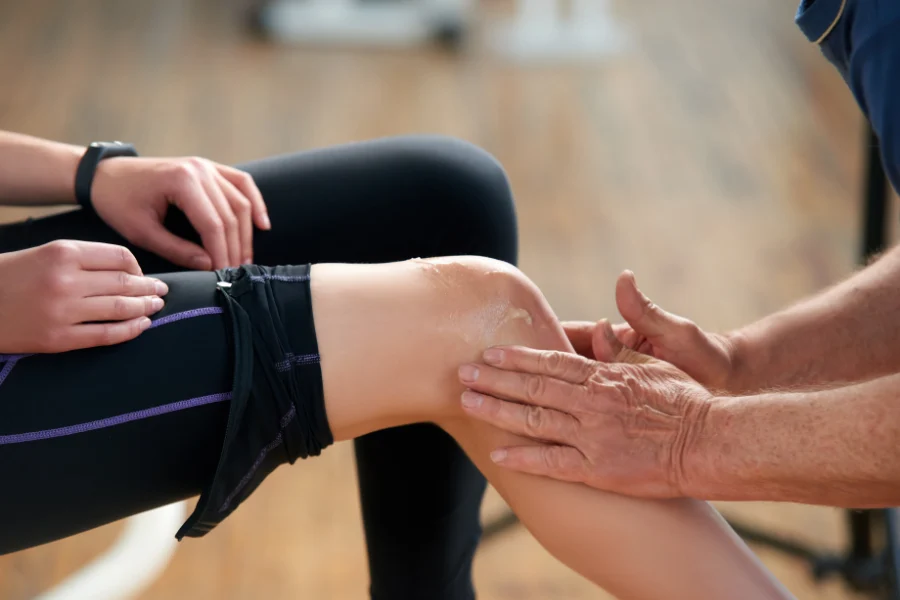
You’ve been working hard with your physiotherapist and starting to see real progress for your knee pain. But every time you push a little harder—a longer walk, a busier day at work, a return to your favourite sport or activity—the soreness in your knee creeps back in. Between sessions, you want something safe and natural to help manage those knee flare-ups without setting back your recovery. That’s where topical menthol may help.
Topical menthol may provide temporary relief from minor knee pain when used after activity, during a flare-up, or before gentle movements or exercises. It works by creating a cooling sensation on the skin that temporarily changes how pain or discomfort feels.
If soreness in your knee returns between physiotherapy sessions, a menthol gel or cream may help you feel more comfortable while you continue following your rehabilitation plan.
How does menthol work?
Menthol is a naturally occurring compound found in plants like peppermint. When applied to the skin, it stimulates the body’s cold-sensing receptors. This creates a cooling sensation that can temporarily change how your nervous system processes pain signals.
It doesn’t repair tissue or treat the underlying cause of knee pain. Menthol is designed to offer temporary symptom relief. When knee pain eases even briefly, movement may feel more manageable. This can help you stay engaged with exercises and activities recommended as part of your knee rehabilitation plan.
Does menthol reduce knee inflammation?
Menthol for knee pain works primarily through sensory relief, not inflammation reduction. It does not target swelling or tissue damage the way anti-inflammatory medications do.
Ice may help provide short-term relief from knee pain and swelling after some acute injuries. Heat may feel helpful for muscle stiffness or tightness. Menthol sits in a different category—it creates a cooling sensation without substantially lowering the temperature of the tissue. It is also portable and requires little preparation.
Each option works differently. Your physiotherapist can help you understand which approach may be appropriate for your symptoms.
| Option | May be helpful for |
|---|---|
| Menthol | Temporary relief from minor muscle or joint pain |
| Ice | Short-term pain or swelling after some acute injuries |
| Heat | Muscle stiffness or tightness |
Types of knee pain menthol can help with
Topical menthol is commonly used for a range of joint and muscle complaints. It may be helpful for temporarily relieving minor aches and pains associated with:
- Knee pain from overuse, strain, or osteoarthritis flare-ups
- Knee stiffness, especially in the morning or after periods of rest
- Post-exercise knee soreness after activities like walking, cycling, or sport
- General knee aches from repetitive movements or physical work
- Mild pain from minor knee sprains or strains
Menthol products are intended for temporary relief from minor knee aches and pains, not severe knee pain or a significant acute injury. If your knee pain is sharp, worsening, or accompanied by significant swelling, it’s important to speak with a healthcare provider.
When to use menthol for knee pain
Timing matters when using a menthol product. Many people find it most useful in these situations:
- After activity, when knee soreness tends to peak
- During a flare-up, to help take the edge off knee discomfort
- Before gentle movements or exercises, to make movement feel more manageable without using the temporary relief to push through knee pain
How often you can apply menthol depends on the product. Always follow the directions on the label or as recommended by a healthcare practitioner.
Products containing 4% USP-grade menthol, such as Biofreeze, may help to provide temporary relief from minor knee aches and pains at home or between physiotherapy visits.
How to use menthol products at home
Using a topical menthol product at home is straightforward. Here are some general guidelines:
- Apply to clean, dry skin over the painful area
- Use as directed on the product label
- Wash your hands after applying, unless you’re treating your hands
- Do not apply to broken, irritated, or sensitive skin
- Avoid contact with eyes or mucous membranes
- Do not use under tight bandages or wraps
- Do not use with a heating pad or apply another source of heat to the area
Possible side effects of menthol products
Topical menthol can sometimes cause:
- Mild skin irritation or redness at the site of application
- A temporary burning or stinging sensation
- Skin sensitivity with prolonged or frequent use
If irritation develops or pain worsens, stop use and let the skin recover. Rarely, topical pain-relief products can cause serious skin reactions or burns. Stop using the product and seek medical attention if you experience severe pain, swelling, or blistering where it was applied.
If you are pregnant or breastfeeding, speak with a healthcare professional or pharmacist before using a topical menthol product.
How can menthol support physiotherapy for knee pain?
A physiotherapist may recommend topical menthol as a supportive tool during knee recovery. It may be applied before or during manual therapy to help make certain movements or exercises feel more comfortable.
Menthol is not a replacement for treatment. But it can play a helpful role alongside physiotherapy by making it easier to stay active, keep up with exercises, and manage day-to-day discomfort. Some physiotherapists see it as a practical, low-risk option for patients managing mild to moderate knee pain between visits.
If your knee pain keeps returning, limits your activity, or flares up regularly, temporary symptom relief may not be enough. A physiotherapist can assess factors that may be contributing to your knee pain and develop a personalized rehabilitation plan to support your movement and function. See a physiotherapist if:
- Knee pain persists or comes back regularly after activity
- You’re modifying your daily life to avoid knee pain
- Knee flare-ups are becoming more frequent or intense
- You’re unsure whether you’re doing the right exercises or movements for your knee
The goal of physiotherapy is to support long-term function. You should not use temporary pain relief products to push through worsening knee pain.
Key takeaways
- Menthol works through your skin’s cold receptors, offering temporary pain relief. It doesn’t treat the underlying cause, but may support comfort during movement.
- You may find topical menthol products helpful after activity, during a flare-up, or before gentle exercise.
- Menthol, ice, and heat each serve different purposes. Your physiotherapist can help you decide which option may be appropriate for your knee pain.
- Temporary knee pain relief may make it easier to stay engaged with your rehabilitation plan. If your knee pain keeps coming back, menthol is not the answer on its own. A physiotherapy assessment can help identify factors contributing to your knee pain and guide your next steps.
FAQs
Does menthol actually help with knee pain?
Topical menthol can temporarily reduce the sensation of minor knee pain by cooling the skin and how pain signals are perceived. It doesn’t treat the cause, but it may make day-to-day movement more comfortable.
How often can I use menthol cream on my knee?
How often you can use a menthol product depends on its formulation and concentration. Always follow the directions on the product label, and check with your physiotherapist or pharmacist if you’re unsure.
Is menthol safe to use while doing physiotherapy?
Menthol may be used alongside physiotherapy to make movement more comfortable. Speak to your physiotherapist about whether it is the right option for your needs.
What’s the difference between menthol and ice for knee pain?
Menthol offers a cooling sensation through skin receptors, but it doesn’t substantially lower tissue temperature. Ice lowers the temperature of the area and may temporarily ease pain and swelling after some injuries. Menthol is more convenient and easier to use on the go. Speak with your physiotherapist if you’re unsure which is a better option for you.
Can menthol help with arthritis knee pain?
Some topical menthol products are labelled for the temporary relief of minor aches and pains associated with arthritis. However, evidence supporting menthol specifically for osteoarthritis pain is limited. It’s not a treatment for arthritis, but some people may find it helpful for temporary symptom relief.
Can I use menthol before exercise?
Applying menthol before gentle movement or exercise may help make the activity feel more manageable. It should not be used to mask pain so you can push through an activity that would otherwise hurt. Speak to your physiotherapist if you’re unsure whether it is right for you.
When should I stop using menthol and see a physiotherapist instead?
If pain keeps returning, limits your daily activity, or is getting worse over time, you may need more than symptom relief. A physiotherapist can assess factors contributing to your pain and develop a personalized plan based on your needs and goals.
Find a clinic near you or book online to schedule an appointment with a clinician.
This blog originally appeared on Lifemark.ca.